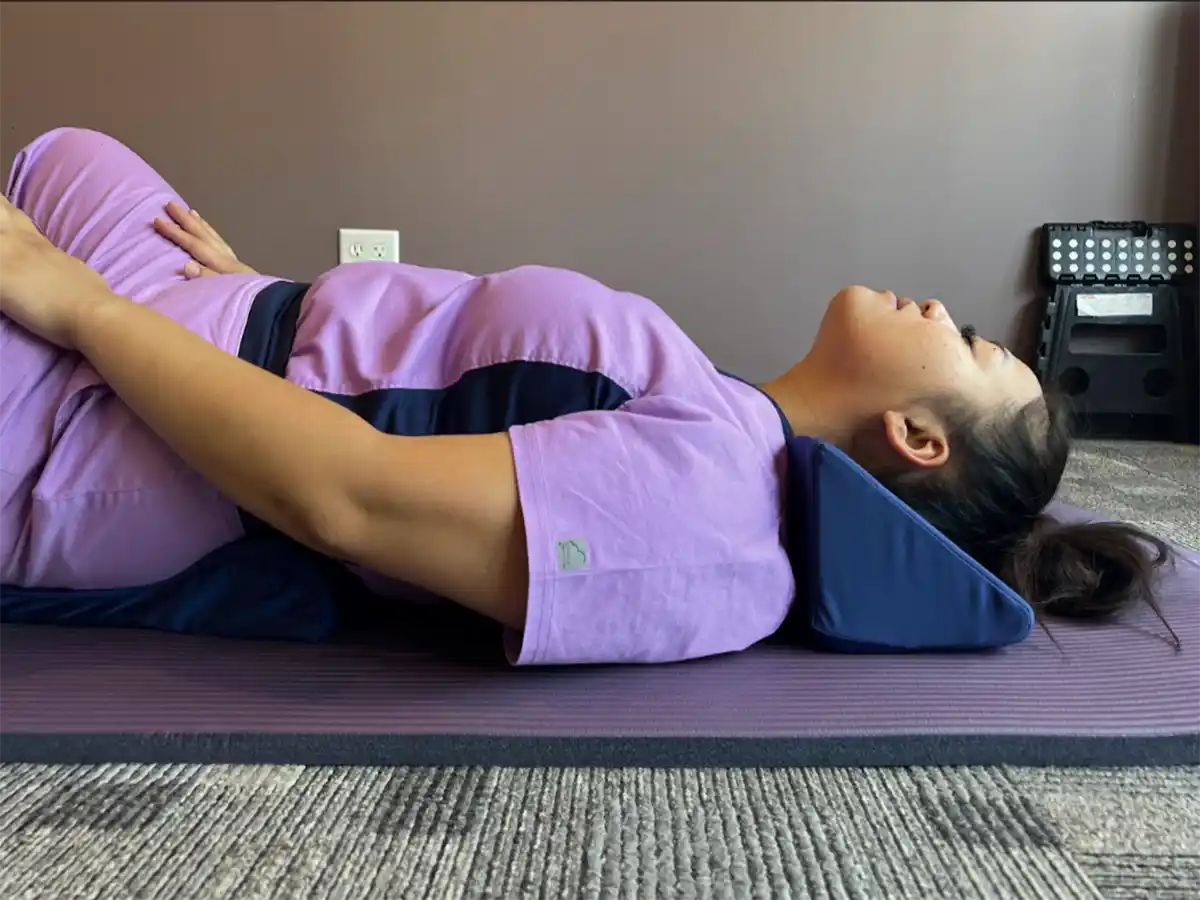
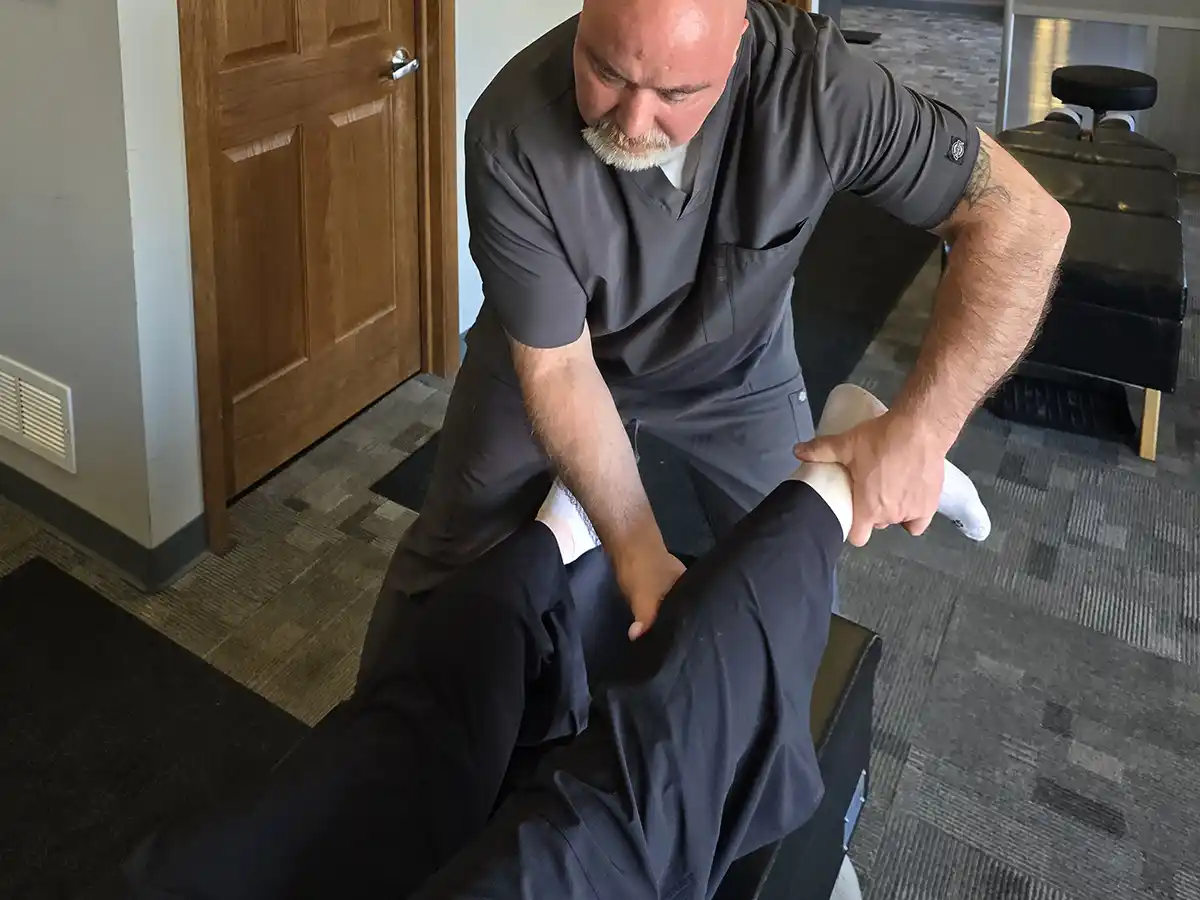
We fix the neck issues that cause your headaches
Help for Cervicogenic Headaches: End chronic neck-related headaches with help from your St. Paul chiropractor.
We understand the debilitating impact that cervicogenic headaches can have on our patients. Get your life back without relying on medication.What is a cervicogenic headache?
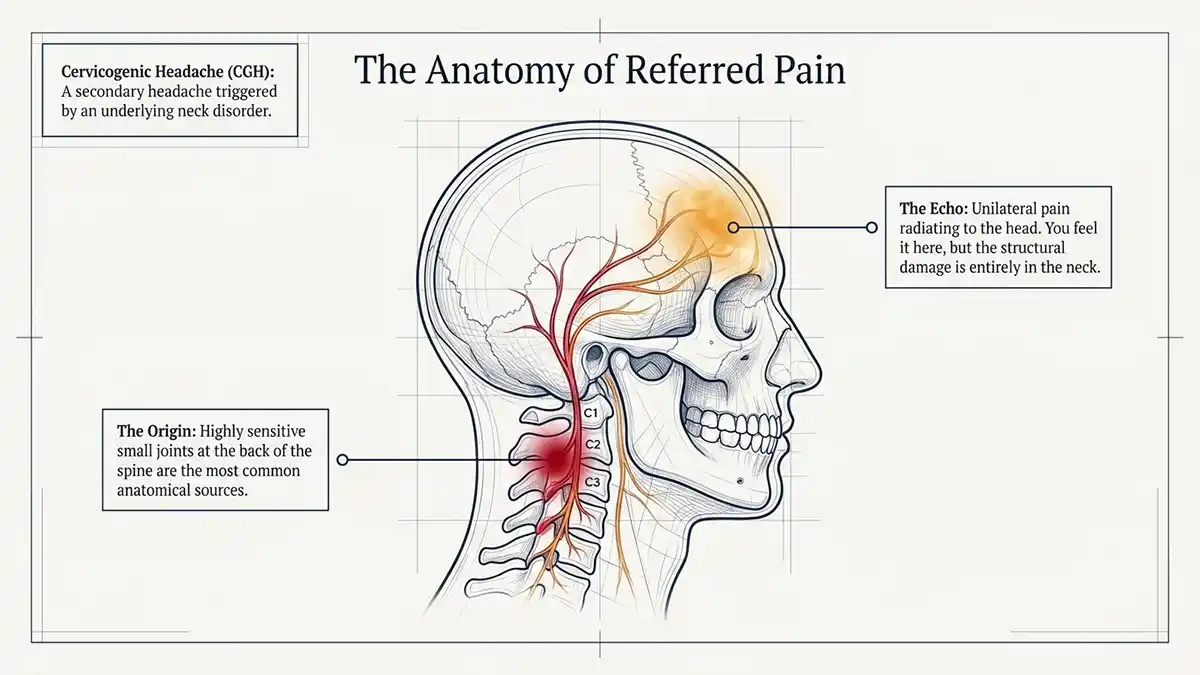
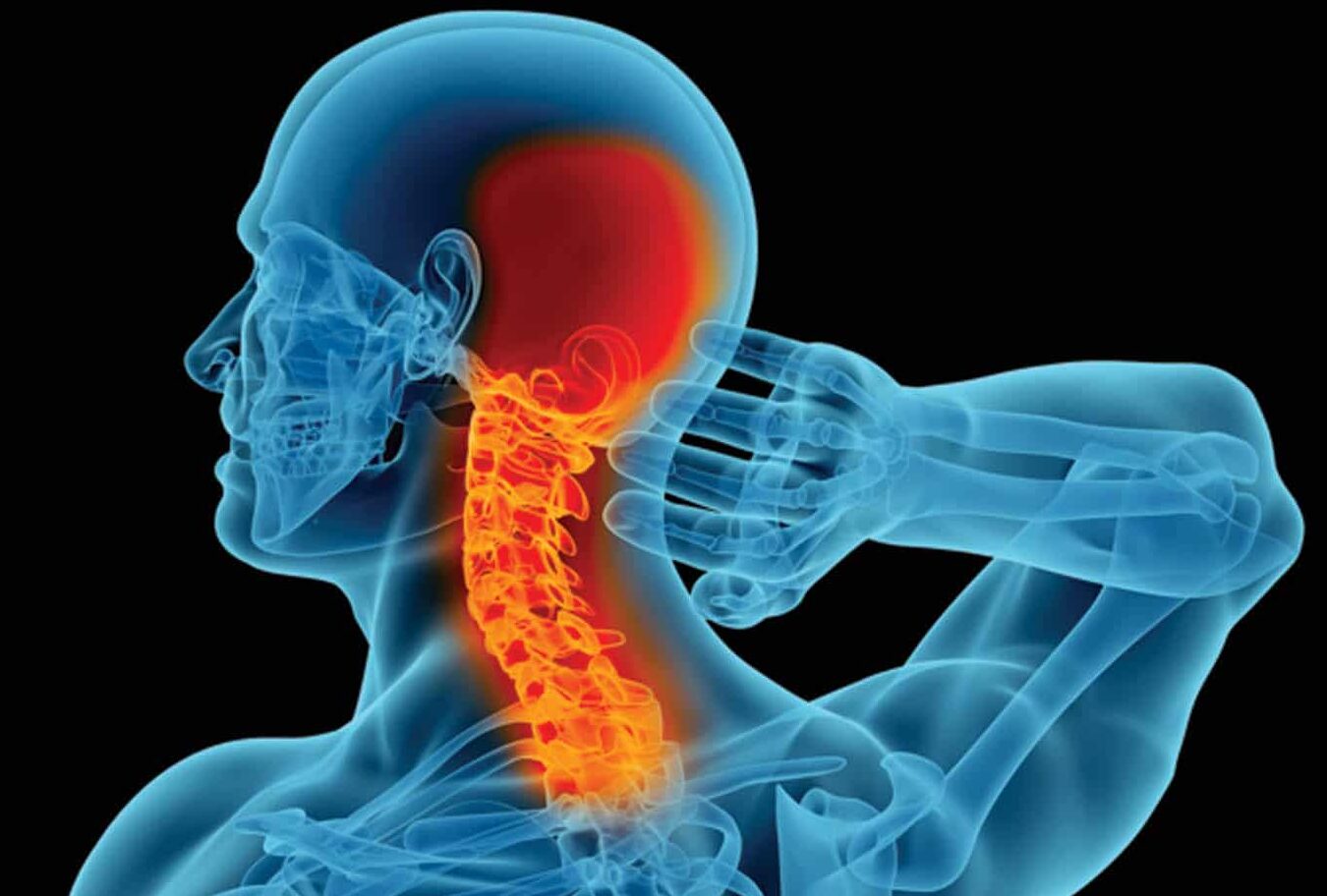
A cervicogenic headache (CGH) is a secondary headache triggered by an underlying neck disorder. This type of headache often causes unilateral pain radiating from the neck to the head. It may cause immediate or delayed pain. A cervicogenic headache is actually referred pain. This means that you feel the pain in your head, but the actual source is in the cervical spine (neck).Reasons to See a Chiropractor for Cervicogenic Headaches
Medication masks symptoms; we fix the mechanical cause.
While family doctors are excellent for general health and ruling out severe underlying diseases, a chiropractor is often better suited for cervicogenic headaches because of the specific nature of the condition.
A chiropractor is needed for cervicogenic headaches to address the root cause—cervical spine dysfunction, such as joint misalignment or tight muscles in the neck, which medication cannot fix. Chiropractic adjustments and therapies, such as manual manipulation and soft-tissue work, restore joint mobility, relieve nerve irritation, and reduce headache frequency, intensity, and reliance on medication.
Diagnosing a cervicogenic headache starts with a physical exam; it may include imaging tests like an X-ray, CT scan, or MRI.
You can start your day without a headache!
Don't wait for neck stiffness to become a crisis.
Get our $69 Full Spinal Assessment today.Your St. Paul chiropractor is your best provider option because:
| Benefit | Description |
|---|---|
| Services target the source | Cervicogenic headaches start from issues in the neck's anatomy (upper cervical nerves/joints) rather than inside the head. Chiropractors specialize in correcting these musculoskeletal structural issues. |
| Gain long-term pain relief | Research indicates that cervical spinal adjustments are highly effective at reducing headache frequency and intensity. Studies show significant improvement, often better than light massage or general exercise alone. |
| Fewer medications needed | Chiropractic care's approach to cervicogenic headache treatment addresses the root cause, it lowers your need for pain-relieving medication, providing a holistic and safer long-term solution. |
| Improved Mobility | Treatments release muscle tension and reduce pressure on joints, easing neck and shoulder pain while improving mobility. |
| Comprehensive chiropractic care | Besides spinal adjustments, chiropractors use complementary techniques like SoftWave therapy, myofascial release, and postural correction exercises to treat muscle imbalances. |
How Does a Chiropractor Treat Cervicogenic Headaches?
Common techniques used include:
- Cervical Spinal Manipulation: Manual chiropractic adjustments to improve spinal mobility
- Soft Tissue Techniques: Myofascial release or Active Release Techniques (ART) to address muscle tightness.
- Postural Correction: Adjusting ergonomic factors to prevent future headaches.
What Commonly Causes a Cervicogenic Headache?
While trauma that impacts your physical body is a leading driver of CGH, a cervicogenic headache is often caused by other issues. They develop from a combination of joint dysfunction, soft tissue restriction, postural breakdown, and in many cases, underlying disc and nerve involvement.
Injury-induced physical trauma
- Whiplash: Whiplash from sudden acceleration-deceleration forces can tear ligaments, strain muscles, and shift vertebrae. This commonly occurs from ccar accidents on icy Twin Cities roads and is estimated to account for over 50% of CGH cases.
- Sports Injuries: High-impact contact sports or falls can lead to structural damage in the upper cervical spine.
- Fractures or Dislocations: Even minor breaks or shifts in the upper vertebrae can irritate your cervical spine.
Underlying medical conditions:
- Arthritis: Osteoarthritis or rheumatoid arthritis in top neck joints causes inflammation and pressure on nerves.
- Spinal nerve compression: Small joints at the back of the spine (i.e., C1-C3) are highly sensitive and are the most common anatomical sources of CGH pain.
- Disc Issues: Herniated or bulging discs, especially at the C2-C3 level, can irritate nearby nerve roots.
What Are Symptoms of a Cervicogenic Headache?
Common symptoms include:
- Reduced neck mobility.
- Stiff neck.
- Neck pain triggered by specific neck movements.
- Localized pain on one side of your head.
- Blurred vision or sensitivity to light.
- Tender neck and shoulder muscles.
How to identify the difference between a migraine and a cervicogenic headache?
Unlike migraines, these headaches are often directly triggered or worsened by specific neck movements or sustained postures.
Is it a Migraine or Cervicogenic?
Don't be left to wonder and delay getting the help you deserve.
Request your $69 Full Spinal Assessment today.Are cervicogenic headaches Common?
Cervicogenic headaches are indeed a common yet often underdiagnosed condition by health professionals. According to studies, they account for approximately 15-20% of all chronic headache cases. These headaches can result from various cervical muscle and joint pathologies, and misdiagnosis can lead to ineffective treatments.
Understanding cervicogenic headaches is crucial for proper diagnosis, as they often mimic other headache types, including tension and migraine headaches, making it essential for healthcare providers to differentiate them accurately.
How to stop cervicogenic headaches from returning after treatment?
Long-term management often requires a combination of strategies led by your expert chiropractor.Prevention Strategies:
- Develop relaxed posture habits: Managing stress and tension improves posture. Additionally, consider appropriate chair height at work, computer monitor level, and keyboard placement.
- Properly exercising: We help you establish and maintain regular physical activity to strengthen neck and back muscles.
- Daily stretching and strengthening: Adding neck and shoulder stretches to your daily routine can relax tight muscles.
- Work overload and stress management: Proper sleep, balanced nutrition, or deep breathing can help manage stress and reduce muscle tension in the neck and shoulders.
- Healthcare checkups: Stay connected with your healthcare provider to maintain proper neck and spine alignment to alleviate strain on your head.
Ahmet Usen authored a September 12, 2025, clinical cross-sectional study report published in the US National Library of Medicine; researchers examined patients presenting with neck pain who were identified as having Forward Head Posture (FHP).
"Over 53% of patients who exhibit Forward Head Posture (commonly known as 'Tech Neck' from prolonged computer and smartphone use) suffer from cervicogenic headaches." - Cervicogenic headache in forward head posture
Is Chiropractic Care Effective for Cervicogenic Headaches?
While common and often debilitating, cervicogenic headaches can be effectively managed with proper diagnosis and chiropractic treatment. By addressing root causes and implementing preventive strategies, we empower our patients to lead pain-free lives.
Evidence strongly supports chiropractic spinal manipulative therapy as a premier, safe, and effective nonpharmacological treatment for cervicogenic headache.
"Cervicogenic headache is a disabling headache where pharmacological management have limited effect. Thus, non-pharmacological management is warranted. Due to insufficient pharmacological treatment strategies, spinal manipulative therapy." - Chiropractic spinal manipulative therapy for cervicogenic headache
In the 7.24.2017 NIH article by Aleksander Chaibi aligns with additional NIH publications indicating that participants reported 25% improvement in headache duration, headache intensity and headache index (HI).
How We Treat Cervicogenic Headaches at St. Paul Chiropractic & Natural Medicine Center
Cervicogenic headaches don't respond to a single technique.Due to varied causes, we don't rely on a single tool. We combine foundational chiropractic care with advanced rehabilitation and regenerative technologies, sequenced to address every layer of the problem.
Here's what your treatment may include:
Foundational Chiropractic Care
- Cervical Spinal Manipulation: Manual chiropractic adjustments to restore mobility and proper alignment to the upper cervical joints, particularly C0–C3, where most cervicogenic headache pain originates. Restored joint motion reduces nerve irritation and breaks the pain cycle at its mechanical source.
- Soft Tissue Therapy: Myofascial release and Active Release Techniques (ART) to address the muscle tightness, trigger points, and fascial restrictions that develop alongside chronic neck dysfunction. We focus particularly on the suboccipital, upper trapezius, and sternocleidomastoid muscles that refer pain into the head.
- Postural & Ergonomic Correction: Forward head posture is one of the strongest mechanical drivers of cervicogenic headache. We identify and correct the daily postural habits that perpetuate the problem outside the treatment room, including workstation setup, sleeping position, and phone use.
Advanced Rehabilitation & Regenerative Technologies
When the underlying problem is structural, foundational care alone may not be enough. Postural breakdown, loss of cervical curve, disc involvement, and chronic soft tissue dysfunction all respond better to a combined approach.
We integrate the following advanced modalities into your treatment plan when clinically indicated:
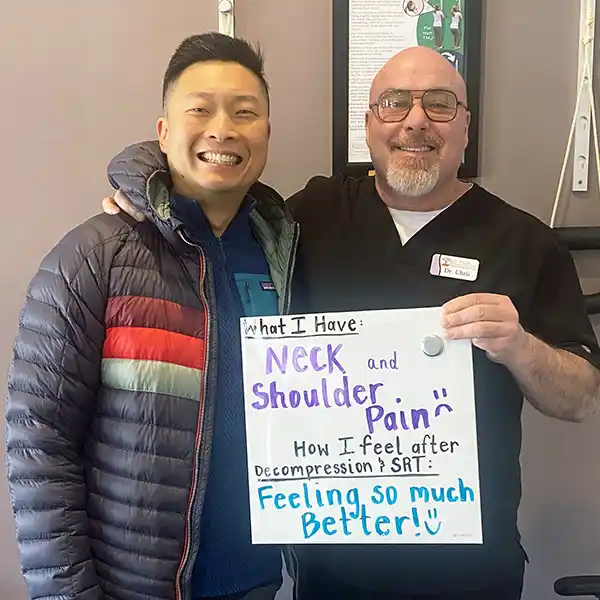
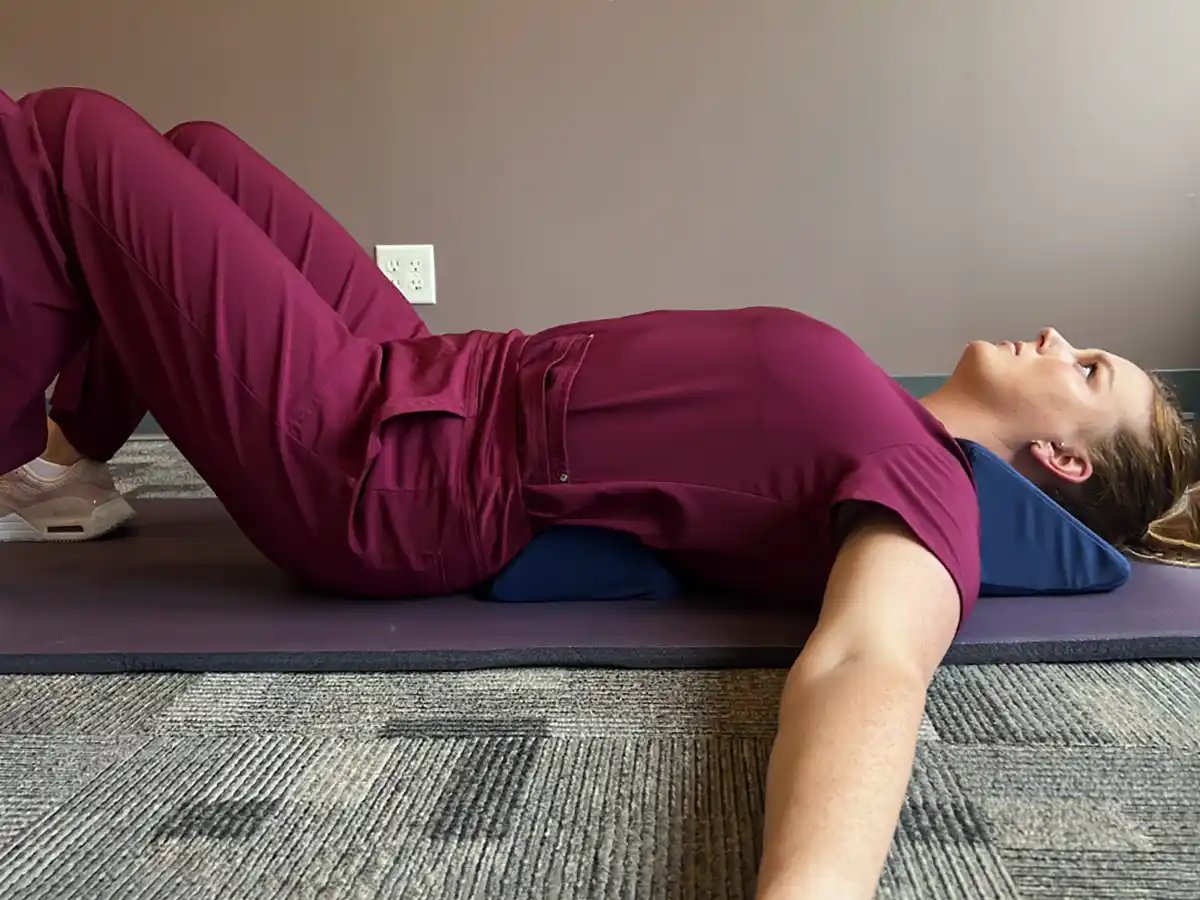
- S.R.T. (Spinal Rejuvenation Therapy): Our Proprietary Spinal Rehabilitation Program: Most cervicogenic headache patients have lost their normal cervical curve and developed forward head posture. S.R.T. is our structured rehabilitation protocol designed to restore proper spinal alignment and posture using targeted exercises, traction, and corrective equipment. Unlike treatments that only manage symptoms, S.R.T. works toward lasting structural change to address why headaches keep returning.
- KDT Neuroflex Spinal Decompression Therapy: When upper cervical disc involvement or nerve root irritation contributes to your headaches, we use the KDT Neuroflex system to deliver precise, dynamic decompression. The system creates negative intradiscal pressure that supports disc rehydration, nutrient flow, and reduced pressure on irritated nerve structures without surgery.
- SoftWave Tissue Regeneration Therapy (ESWT): SoftWave is an FDA-cleared regenerative technology that delivers acoustic shockwaves into damaged tissue. Through a process called mechanotransduction, these shockwaves stimulate the body's natural healing response, increase blood flow, reduce inflammation, and activate resident stem cells to migrate to the area of injury and accelerate tissue repair. For chronic patients, SoftWave addresses the soft tissue dysfunction and scar tissue that often persist long after an initial injurY.
Stop Managing Your Headaches: Start Fixing Them
Cervicogenic headaches aren't just "in your head".
They are a physical manifestation of misalignments in your upper neck. While medication can temporarily dull the ache, it can't realign your spine or release trapped nerves. At St. Paul Chiropractic & Natural Medicine Center, we specialize in identifying the mechanical root of your pain and restoring your mobility through precision adjustments and advanced therapies like SoftWave.
Ready to wake up without a headache?
Don't wait for the pain to return. Claim our $69 New Patient Special today.
Schedule Your Full Spinal Exam AssessmentAuthor:Dr. Christopher Stephen Lilja, D.C.
Medical Disclaimer: Add a clear disclaimer stating that the content is for informational purposes and does not replace a personalized medical diagnosis.