★★★★★
SoftWave — From Skeptic to Believer — Athlete Shoulder
An athlete who started out skeptical describes what changed after treating a shoulder injury with SoftWave.
Advanced Treatment That Gets Athletes Back to Peak Performance
At St. Paul Chiropractic & Natural Medicine Center, we help athletes and active individuals heal from sports injuries with customized, noninvasive care. From sprains and strains to overuse and spinal issues, we treat the root cause to get you back to doing what you love, stronger, faster, and smarter.
Athletes need care that supports both recovery and performance. Our Expert Chiropractic Care restores biomechanics, while SoftWave Therapy speeds healing in muscles, tendons, and ligaments. For spine-related injuries, our S.R.T. program and KDT Neuroflex Decompression ensure full rehab and help prevent future issues.
Picture this: you’re finally hitting your stride in training, feeling stronger and more confident than you have in months, when suddenly a sharp pain stops you mid-movement. Or perhaps it’s the nagging ache that started small but now sidelines you every time you try to push your limits. If you’re reading this page, you probably know that frustrating moment when your body—the very thing that should be your greatest asset—becomes the barrier standing between you and the activities you love.
At St. Paul Chiropractic & Natural Medicine Center, we’ve worked with thousands of athletes and active adults who’ve experienced this exact frustration. What we’ve learned over 25 years might surprise you: the reason many sports injuries heal slowly or keep returning isn’t because the injury was too severe or because you’re “getting older.” It’s because most treatment approaches only address the symptoms you feel, not the underlying biomechanical problems that created the injury in the first place.
Before we explore how to heal sports injuries effectively, it’s crucial to understand a fundamental truth that most athletes never learn: the location where you feel pain is rarely the actual source of the problem. Think of your body like a finely tuned machine where every component affects every other component. When one part isn’t functioning properly, other parts compensate, creating stress patterns that eventually lead to injury.
Consider a common scenario we see regularly in our clinic. A runner comes in with persistent knee pain that started gradually and now prevents them from training. Traditional approaches might focus entirely on the knee—anti-inflammatory medications, cortisone injections, or knee-specific exercises. Yet when we examine the entire kinetic chain, we often discover that the knee pain stems from poor foot mechanics, tight hip flexors, or even spinal misalignments that alter their running gait.
This interconnected nature of athletic performance explains why so many sports injuries become chronic problems. Treating only the painful area is like trying to fix a car’s alignment by only adjusting one wheel—you might get temporary improvement, but the underlying problem continues to create new issues over time.
When you experience an injury, your nervous system immediately begins developing compensation patterns to protect the damaged area. These adaptations happen automatically and often serve you well during the acute healing phase. However, these same protective patterns can become permanent movement dysfunctions that predispose you to future injuries.
Imagine an athlete who sprains their ankle during a basketball game. Initially, limping and favoring the injured ankle makes perfect sense as protection during healing. But if this altered movement pattern persists after the ankle heals, it creates abnormal stress on the knee, hip, and lower back. Months later, when that athlete develops knee pain or back problems, they rarely connect these new issues to their original ankle injury.
This is why our comprehensive approach evaluates your entire movement system, not just the area that hurts. We’re looking for the compensation patterns and biomechanical dysfunctions that create injury susceptibility, addressing these underlying factors to achieve lasting healing and prevent future problems.
While every athlete’s situation is unique, certain injury patterns appear consistently across different sports and activity levels. Understanding these patterns helps explain why comprehensive treatment approaches achieve superior outcomes compared to traditional symptom management.
Overuse injuries like tendonitis, stress fractures, and muscle strains often mystify athletes because they seem to develop “out of nowhere” without a specific traumatic event. The reality is that overuse injuries represent the cumulative effect of repeated biomechanical stress on tissues that aren’t equipped to handle that stress efficiently.
Take tennis elbow, for example. While this condition affects the tendons around the elbow, the underlying problem often involves poor shoulder blade stability, neck muscle tension, or even thoracic spine restrictions that alter arm mechanics during repetitive movements. Treating only the inflamed tendons provides temporary relief, but unless the movement dysfunction is corrected, the inflammation returns as soon as training resumes.
Our approach to overuse injuries involves identifying and correcting the movement patterns that created the problem while optimizing tissue healing through advanced therapies like SoftWave treatment. This combination addresses both the symptoms and the underlying causes for lasting recovery.
Acute injuries like ankle sprains, muscle strains, and joint injuries often occur when existing biomechanical problems combine with sudden stress or impact. While these injuries feel like random accidents, they frequently happen because underlying movement dysfunctions place certain tissues under excessive stress, making them vulnerable to injury when challenged.
The critical insight about acute injuries is that they represent an opportunity to address underlying problems that were developing silently before the injury occurred. When we treat an acute ankle sprain, for example, we’re not just healing the damaged ligaments—we’re also correcting the foot mechanics, improving balance and proprioception, and addressing any spinal or pelvic issues that may have contributed to the injury mechanism.
This comprehensive approach explains why our patients often report that their “injured” area becomes stronger and more resilient than it was before the injury occurred. We’re not just repairing damage; we’re optimizing function.
Perhaps the most frustrating category of sports injuries involves chronic pain patterns that seem to resist every treatment approach. These conditions often develop when acute injuries don’t heal completely or when compensation patterns become so entrenched that they create ongoing dysfunction.
Chronic sports injuries require a different treatment philosophy entirely. Instead of focusing on symptom relief, we need to understand why the healing process stalled and what factors are preventing complete recovery. This often involves addressing multiple system dysfunctions simultaneously—structural alignment, tissue health, movement patterns, and sometimes even nutritional factors that support healing.
What sets our treatment apart isn’t any single therapy or technique—it’s our systematic approach that addresses all the factors contributing to sports injuries while optimizing your body’s natural healing capacity. Think of it as precision engineering applied to human performance, where every component of your treatment plan works together toward the same goal.
Effective treatment begins with accurate diagnosis, and our comprehensive evaluation goes far beyond identifying which tissues are painful. We conduct detailed movement analysis to identify compensation patterns and biomechanical dysfunctions that may not be causing symptoms yet but are creating injury susceptibility.
Our assessment includes postural analysis from multiple angles, range of motion testing in all planes of movement, functional movement screens that reveal how your body moves during athletic activities, and neurological testing to assess coordination and balance. When necessary, we utilize digital X-ray analysis to identify structural factors that might be contributing to your injury patterns.
This comprehensive diagnostic approach allows us to develop treatment plans that address not just your current injury, but the underlying factors that created the injury and could lead to future problems if left uncorrected.
One of our most powerful tools for sports injury recovery is SoftWave Therapy, advanced acoustic wave technology that activates your body’s natural healing mechanisms at the cellular level. Unlike conventional treatments that just mask symptoms, SoftWave actually accelerates tissue repair and regeneration.
For athletes, SoftWave Therapy offers several unique advantages. It increases stem cell production by up to 238%, providing more repair cells exactly when and where they’re needed most. The treatment stimulates new blood vessel formation, improving circulation to injured tissues that may have poor natural blood supply. It also reduces inflammation naturally while promoting the formation of healthy, resilient tissue rather than weak scar tissue.
Perhaps most importantly for athletes, SoftWave Therapy often allows injured tissues to heal stronger than they were before injury, reducing the risk of re-injury when you return to your sport or activity.
Many sports injuries stem from spinal dysfunction that affects how forces are transmitted throughout your body during athletic movements. Our proprietary Spinal Rejuvenation Therapy (S.R.T.) program addresses these foundational issues through systematic correction of spinal alignment, posture, and stability.
S.R.T. is particularly valuable for athletes because optimal spinal function directly impacts athletic performance, injury prevention, and recovery capacity. When your spine functions properly, it provides stable foundation for efficient movement while allowing optimal nerve function that coordinates all athletic activities.
The S.R.T. program combines precise corrective exercises, targeted stretching protocols, and specialized rehabilitation techniques that retrain your nervous system to support proper biomechanics during demanding athletic activities.
Our chiropractic approach focuses on restoring optimal joint function throughout your body, not just in areas that are currently painful. For athletes, this means ensuring that every joint in your kinetic chain can move through its full range of motion efficiently and without restriction.
Chiropractic adjustments help restore normal joint mechanics, reduce nerve interference that can affect coordination and performance, improve proprioception and balance, and optimize the biomechanical efficiency that reduces injury risk during athletic activities.
Our chiropractic care integrates seamlessly with our other treatments, ensuring that structural corrections are maintained while soft tissues heal and strengthen.
Different sports place different demands on your body, and effective treatment must account for these specific requirements. Our experiencetreating athletes across diverse sports has taught us that successful recovery depends on understanding not just the injury, but the biomechanical demands of your particular activity.
Runners, cyclists, swimmers, and other endurance athletes face unique challenges related to high-volume repetitive movements and the cumulative stress this places on tissues over time. Common issues include overuse injuries, imbalanced muscle development, and recovery problems that stem from inadequate tissue repair between training sessions.
Our approach to endurance athletes emphasizes optimizing movement efficiency to reduce unnecessary stress on vulnerable tissues, addressing muscle imbalances that develop from repetitive training patterns, enhancing recovery capacity through improved circulation and tissue health, and identifying nutritional and lifestyle factors that support sustained training demands.
Athletes involved in weightlifting, powerlifting, sprint events, and explosive sports deal with different injury patterns related to high-force movements and rapid acceleration/deceleration. These activities place enormous stress on joints, tendons, and ligaments, requiring optimal biomechanics to handle forces safely.
For power athletes, our treatment focuses on ensuring optimal spinal stability and alignment that provides a strong foundation for force production, maintaining joint mobility that allows efficient movement patterns during high-intensity activities, and developing the precise muscle coordination required for safe execution of explosive movements.
Athletes in contact sports, team sports, and activities involving unpredictable movements face challenges from both traumatic injuries and complex movement demands. These sports often require rapid changes of direction, jumping and landing, and the ability to react to external forces and opponents.
Our comprehensive approach to team sport athletes includes addressing acute traumatic injuries with advanced healing technologies, correcting movement dysfunctions that increase injury susceptibility during unpredictable activities, and developing the stability, balance, and proprioception required for safe participation in dynamic environments.
While we excel at treating sports injuries after they occur, our ultimate goal is helping athletes avoid injuries in the first place. True sports medicine focuses as much on prevention as it does on treatment, recognizing that keeping athletes healthy and performing optimally is far superior to even the most effective injury treatment.
The foundation of injury prevention lies in optimizing how your body moves during athletic activities. Efficient movement patterns distribute stress appropriately across multiple tissues and joints, reducing the excessive wear and tear that leads to overuse injuries while improving performance simultaneously.
Our biomechanical analysis identifies movement inefficiencies before they lead to injury, allowing us to make corrections that enhance both performance and injury resistance. This might involve addressing spinal alignment issues that affect your entire kinetic chain, correcting muscle imbalances that create compensation patterns, or improving joint mobility that allows optimal movement mechanics.
What many athletes don’t realize is that optimal health and peak performance are inseparable. When your nervous system functions optimally, your joints move efficiently, and your tissues are healthy and resilient, you naturally perform better while being more resistant to injury.
Our comprehensive approach to sports medicine recognizes this connection, providing care that simultaneously enhances performance and reduces injury risk. Athletes often discover that addressing seemingly minor health issues results in significant improvements in strength, endurance, coordination, and overall athletic capacity.
Perhaps most importantly, our prevention-focused approach helps athletes maintain their passion for sport and activity throughout their lifetime. By addressing problems early and maintaining optimal function, we help athletes avoid the chronic issues that often force early retirement from beloved activities.
This long-term perspective shapes everything we do, from our treatment approaches to our education about training modification, recovery optimization, and lifestyle factors that support sustained athletic participation.
Understanding how our comprehensive approach works in practice helps illustrate why athletes choose our clinic for both injury treatment and performance optimization. While every athlete’s journey is unique, certain patterns emerge that demonstrate the power of addressing sports injuries systematically.
Sarah, a 34-year-old marathon runner, came to us after dealing with recurring IT band syndrome that had prevented her from completing a marathon for over two years. Previous treatments had focused on stretching the IT band and reducing inflammation, providing temporary relief that never lasted beyond a few weeks of resumed training.
Our comprehensive evaluation revealed that Sarah’s IT band problems stemmed from poor hip stability and spinal alignment issues that altered her running mechanics. Through our integrated treatment approach combining SoftWave Therapy, Spinal Rejuvenation Therapy, and targeted rehabilitation, we addressed both the tissue health issues and the biomechanical dysfunctions creating her problems.
Six months later, Sarah not only completed her marathon goal but achieved a personal record time while remaining completely pain-free. More importantly, she gained understanding of how to maintain optimal function and prevent future injuries through proper training and periodic maintenance care.
Mark, a 42-year-old competitive tennis player, was told by multiple specialists that chronic shoulder pain and reduced range of motion meant his competitive tennis days were over. Traditional treatments including physical therapy, cortisone injections, and even arthroscopic surgery had provided minimal improvement in his symptoms and function.
Our evaluation identified that Mark’s shoulder problems were partly related to cervical spine dysfunction and postural imbalances that created abnormal stress on his shoulder joint during tennis movements. By addressing these underlying factors while optimizing tissue healing in his shoulder, we achieved improvements that previous treatments had missed.
Mark returned to competitive tennis within four months and continues playing at a high level two years later. His experience illustrates how comprehensive evaluation and treatment can achieve outcomes that seem impossible when problems are viewed in isolation.
Jennifer, a 45-year-old hiking enthusiast, developed chronic lower back pain that limited her ability to enjoy the outdoor activities that had been central to her lifestyle for decades. Multiple healthcare providers had attributed her pain to “normal aging” and recommended avoiding the activities that brought her joy.
Our assessment revealed that Jennifer’s back pain resulted from spinal degeneration and muscle imbalances that could be addressed through our Spinal Rejuvenation Therapy program combined with targeted strengthening and mobility work. Rather than accepting limitations, we worked systematically to restore her spinal function and overall physical capacity.
Jennifer now leads hiking groups on challenging mountain trails and credits our comprehensive approach with giving her back not just her physical capabilities, but her confidence in her body’s ability to support her active lifestyle.
In a healthcare landscape filled with specialists who focus on individual body parts and symptom management, our comprehensive approach to sports medicine represents a fundamental difference in philosophy and outcomes. Athletes choose our clinic because they recognize that superior results require superior understanding and treatment of how the body actually works.
Our investment in cutting-edge treatment technologies like SoftWave Therapy and advanced spinal rehabilitation equipment reflects our commitment to providing athletes with the most effective healing tools available. These technologies, combined with our clinical expertise, create treatment capabilities that simply aren’t available at conventional sports medicine facilities.
Rather than applying generic treatment protocols, we develop individualized treatment plans that address your specific injury patterns, sport demands, and performance goals. This systematic approach ensures that every aspect of your care works together toward optimal outcomes.
We believe that optimal sports medicine involves ongoing partnership rather than episodic treatment. Many of our athletes maintain long-term relationships with our clinic, utilizing our expertise for injury prevention, performance optimization, and periodic health maintenance that keeps them competing at their best.
We provide athletes with comprehensive education about their conditions, treatment options, and strategies for maintaining optimal health and performance. This knowledge empowers you to make informed decisions about your care and take active responsibility for your long-term athletic success.
Every day you train or compete with underlying biomechanical problems or incomplete healing from previous injuries is another day of accumulated risk for more serious problems. Sports injuries rarely improve on their own, and compensation patterns tend to become more entrenched over time, making them more difficult to correct later.
The most successful athletes understand that investing in comprehensive evaluation and treatment before problems become severe is far more effective than waiting until injuries force them to seek help. Early intervention not only resolves current issues more quickly but prevents the development of chronic problems that can limit athletic participation for years.
Comprehensive Sports Injury Evaluation – Schedule your detailed assessment online where we’ll conduct thorough biomechanical analysis, identify injury risk factors, and develop a personalized treatment plan designed to address your specific needs and athletic goals.
Direct Consultation About Your Specific Situation – Call (651) 433-6651 to speak with our knowledgeable team about your current injuries, performance limitations, or concerns about injury prevention. We can discuss how our comprehensive approach might address your particular challenges.
Information Request About Sports Medicine Services – Email us at info@stpaulnaturalhealth.com with details about your athletic activities and current issues, and we’ll provide personalized information about how our integrated treatment approach can help you achieve your goals.
Your comprehensive sports injury assessment includes detailed discussion of your athletic goals, training history, and current limitations; thorough biomechanical analysis including movement screens and postural assessment; evaluation of injury risk factors and compensation patterns; review of any previous treatments and their outcomes; development of your personalized treatment plan with realistic timelines and expectations; and complete discussion of how our integrated approach addresses your specific needs.
You’ll leave your evaluation with clear understanding of what’s causing your current problems or limiting your performance, detailed explanation of how our comprehensive approach can address these issues, realistic expectations about improvement timelines and outcomes, and confidence that you’re working with specialists who understand the demands of athletic performance.
Understanding the difference between normal exercise discomfort and pain that indicates tissue damage becomes crucial for preventing minor problems from becoming major injuries. Normal exercise discomfort typically feels like muscle fatigue or mild soreness that improves with light movement and resolves within 24 to 48 hours. Pain that indicates potential tissue damage tends to be sharper, more localized, and often worsens during specific movements or positions. Any pain that persists longer than a few days, interferes with normal activities outside of exercise, or causes you to alter your movement patterns significantly suggests that continuing activity could worsen underlying problems. The key insight is that your body was designed for activity and movement, but not for activity that creates ongoing tissue damage. When exercise consistently creates pain rather than building strength and endurance, comprehensive evaluation can identify the underlying mechanical problems that need correction.
Recurring sports injuries typically indicate that the underlying biomechanical problems that created the original injury haven’t been identified and corrected. Think of your body like a finely tuned machine where every component affects every other component. When one area isn’t functioning properly, other areas compensate in ways that can create stress patterns leading to injury. For example, ankle instability might alter your running gait in ways that eventually create knee or hip problems, while poor shoulder blade stability can contribute to elbow or wrist injuries during throwing activities. Most conventional sports injury treatment focuses on the injured area without assessing these broader movement patterns and compensation mechanisms. Comprehensive evaluation identifies all the factors contributing to injury susceptibility, allowing treatment that addresses root causes rather than just repairing damage after it occurs.
St. Paul Chiropractic & Natural Medicine Center
464 Hamline Ave South
Saint Paul, MN 55105
Phone: (651) 644-7207
Email: info@stpaulnaturalhealth.com
Serving Athletes Throughout the Twin Cities Since 2000
Where Innovation Meets Natural Healing
Don’t let injuries steal your athletic dreams. Experience comprehensive sports medicine that gets you back to peak performance, stronger and more resilient than ever.
Watch
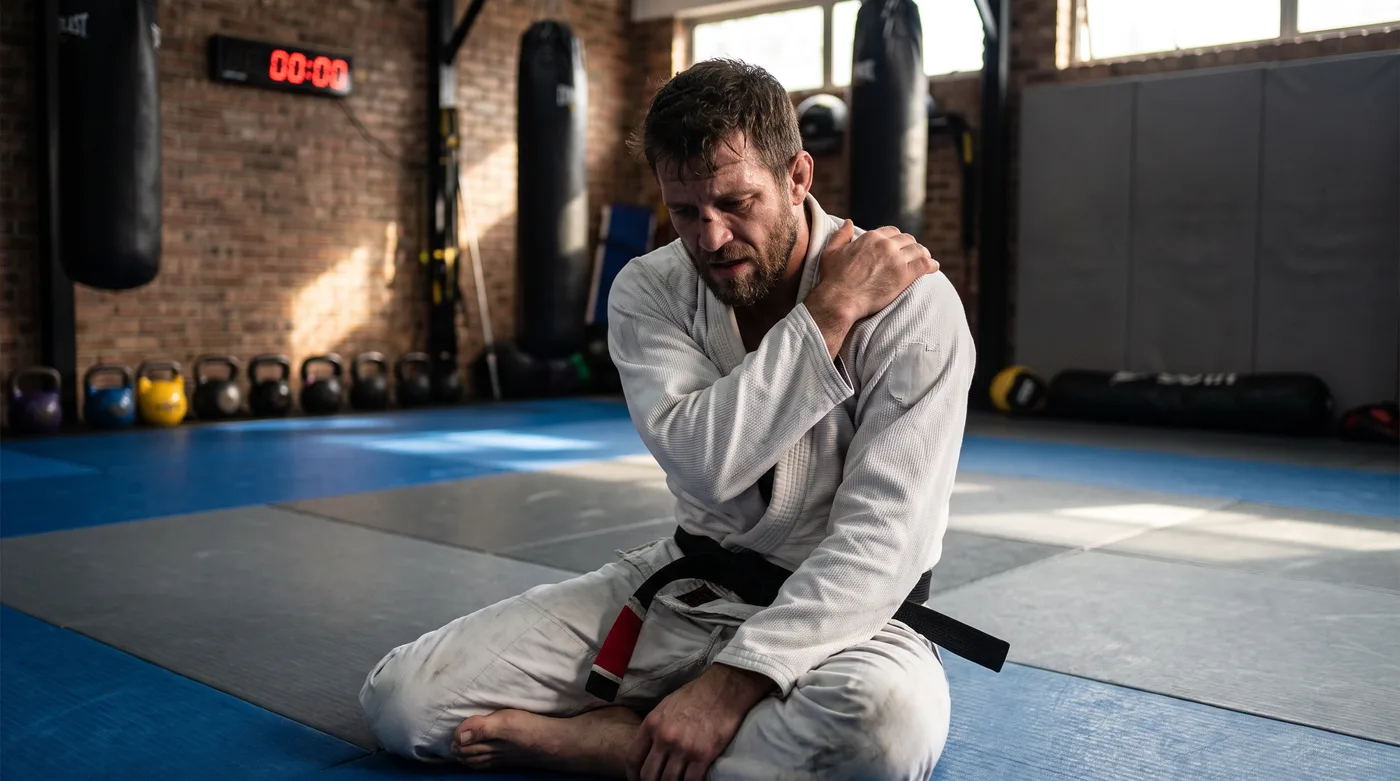
An athlete who started out skeptical describes what changed after treating a shoulder injury with SoftWave.
Derek
Derek returns to jiu-jitsu training after SoftWave Therapy.
Related Conditions
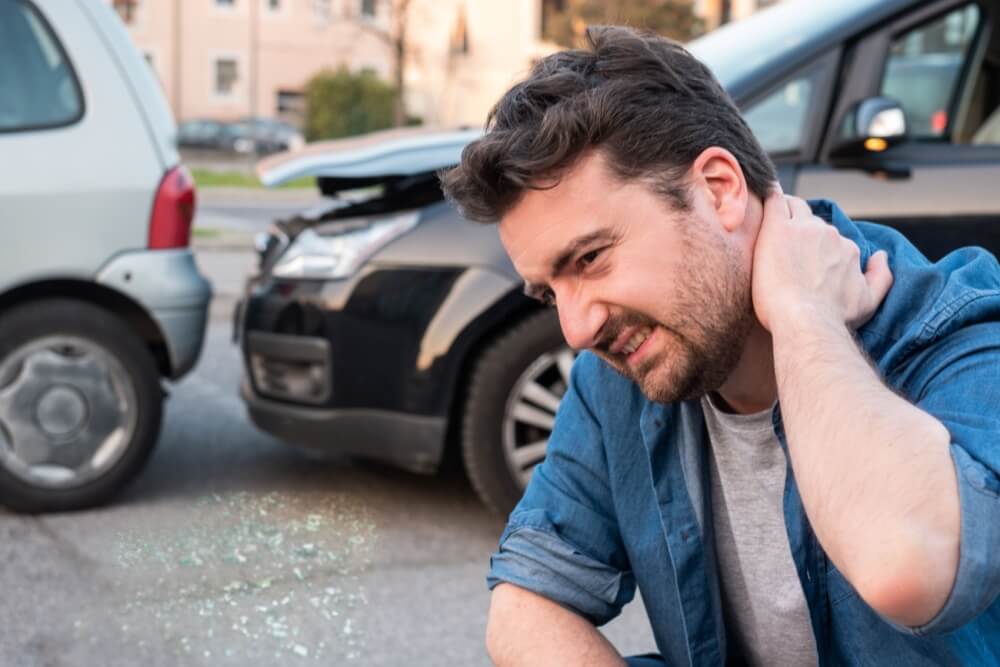
Get the care you need after a car accident before small symptoms become big problems. We specialize in treating hidden injuries like whiplash, disc pain, and soft tissue damage.
Learn more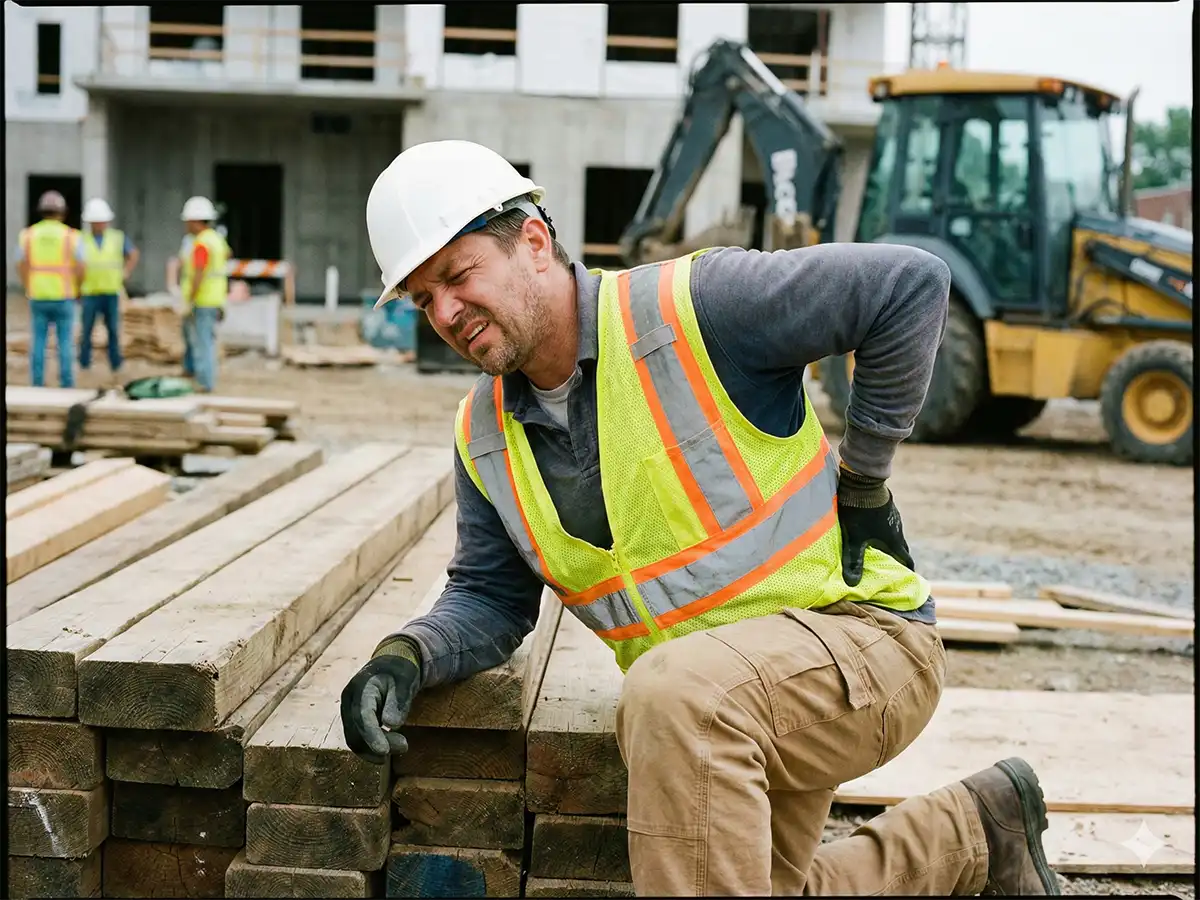
Injured on the job? We offer natural, non-invasive care to help you heal and return to work safely — addressing pain, strains, and injuries with chiropractic care, rehab, and advanced therapies.
Learn more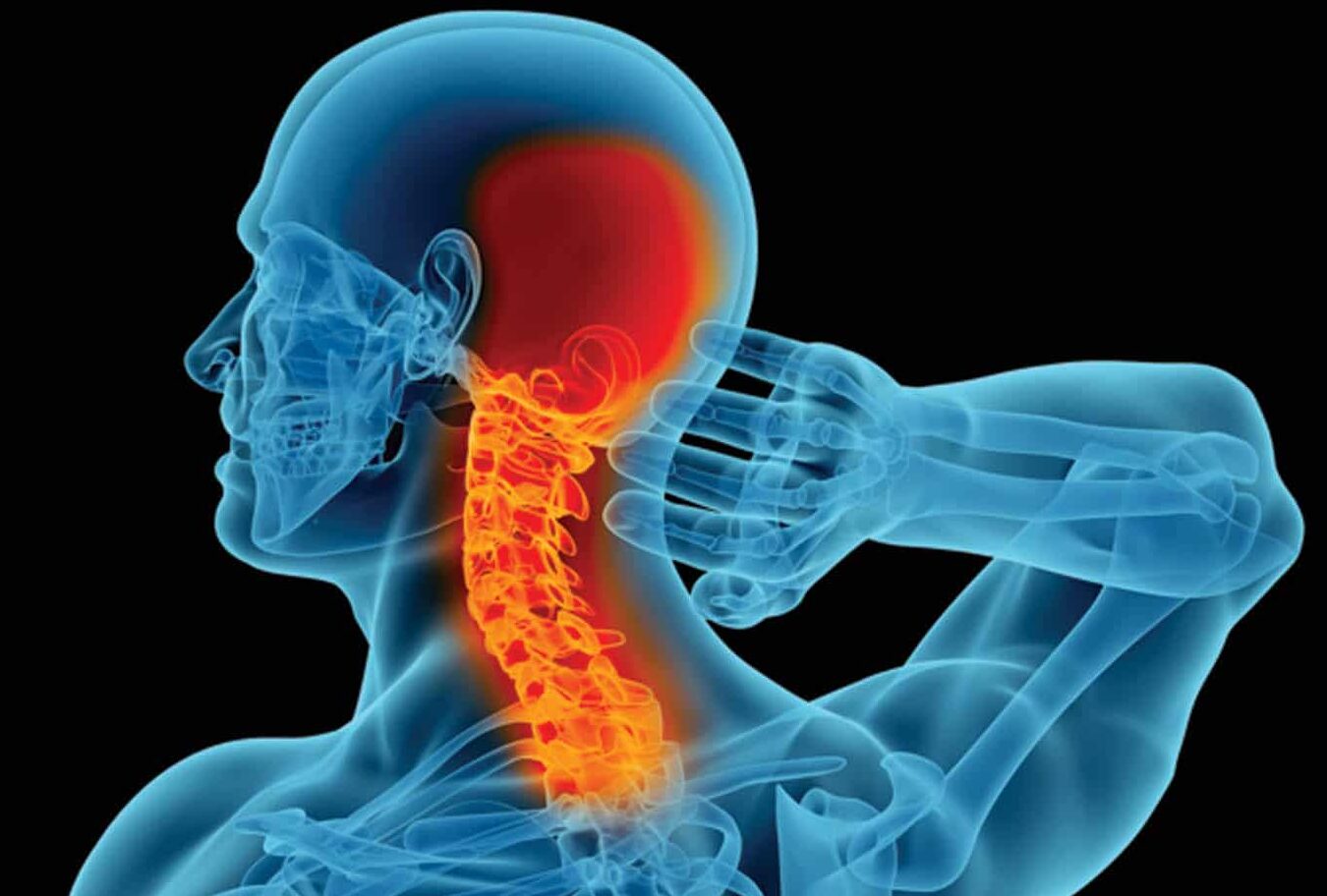
Chronic back and neck pain keeps returning when treatment only addresses symptoms. We identify and treat the structural causes behind persistent pain patterns.
Learn moreContact St. Paul Chiropractic & Natural Medicine Center today to learn how to implement foundational wellness in your life. We proudly serve patients in Saint Paul, MN.
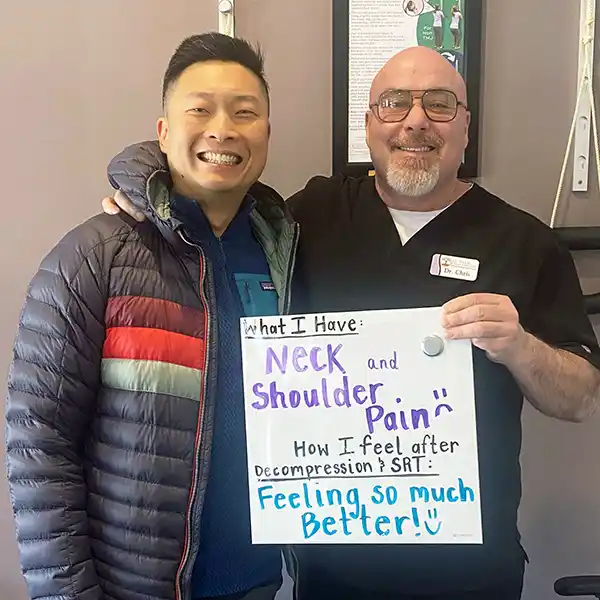
“I felt heard, understood, and safe throughout my entire treatment. After trying so many different approaches, I finally found a place that delivered results I didn't think were possible.”
“Dr. Chris and his team don't just treat symptoms—they actually figure out what's causing the problem and fix it. I wish I had found them years ago.”
“The combination of treatments here is unlike anything else I've experienced. Each therapy seems to make the others work better.”
From the Blog
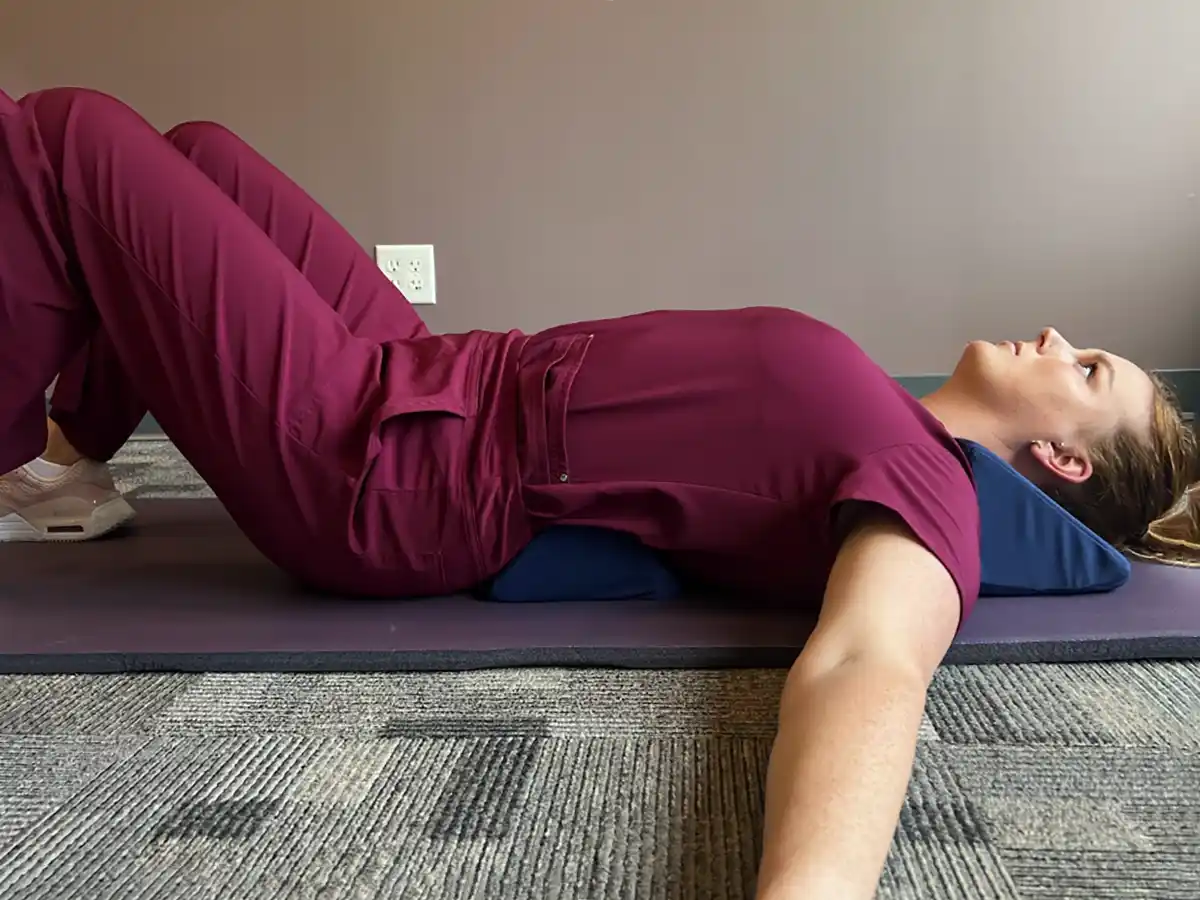
July 17, 2026
Lumbar or lower back decompression exercises are often recommended by your Chiropractor to relieve lower back pain and related symptoms such as sciatica. Spinal decompression therapy is a non-surgical, FDA-approved treatment that effectively stretches the spine to release pressure on compressed d...
Read Chiropractic Advice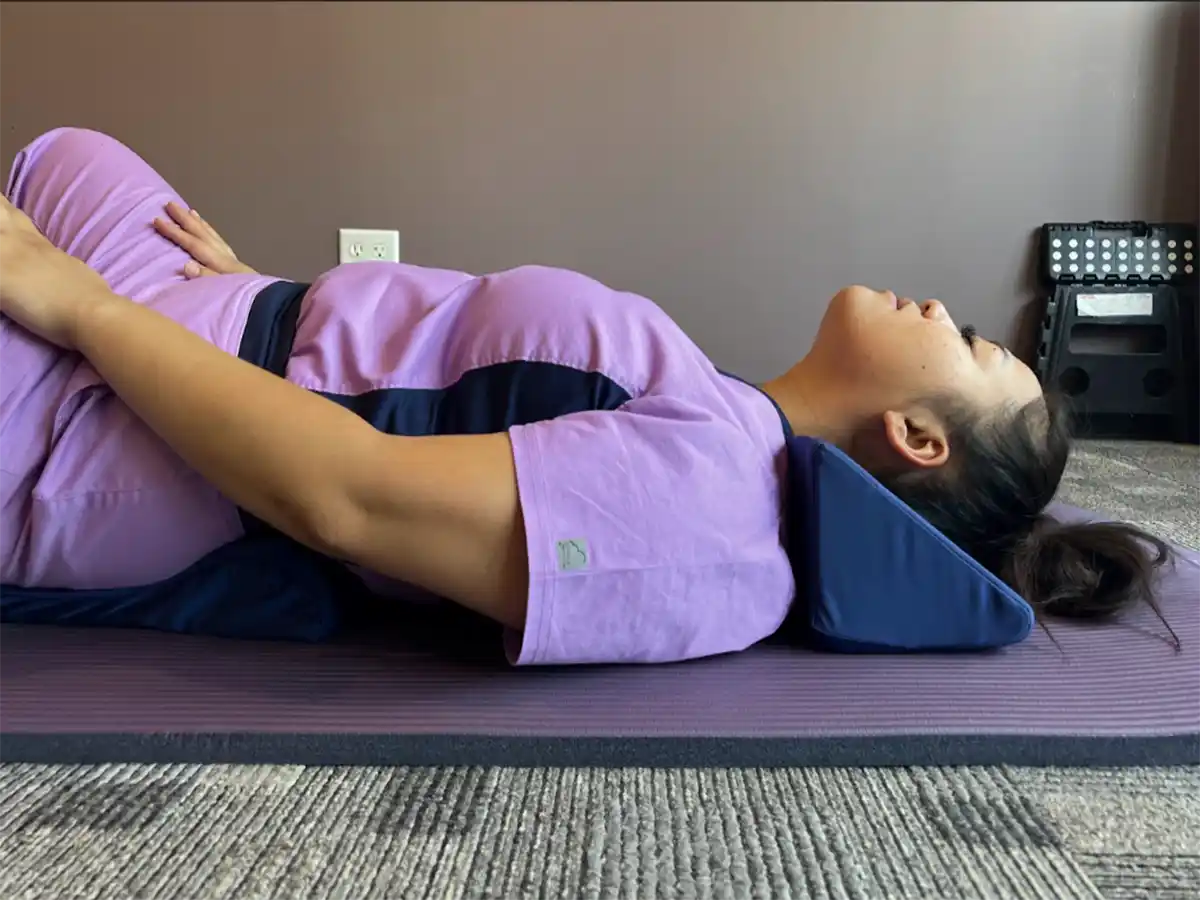
July 3, 2026
4 Cervical Decompression Exercises for Lasting Neck Pain Relief (Without Surgery) While basic home stretches provide temporary relief, our clinical Cervical Dorsal Series utilizes targeted precision to permanently correct neck pain. St. Paul Chiropractic & Natural Medicine Center’s spinal decom...
Read Chiropractic Advice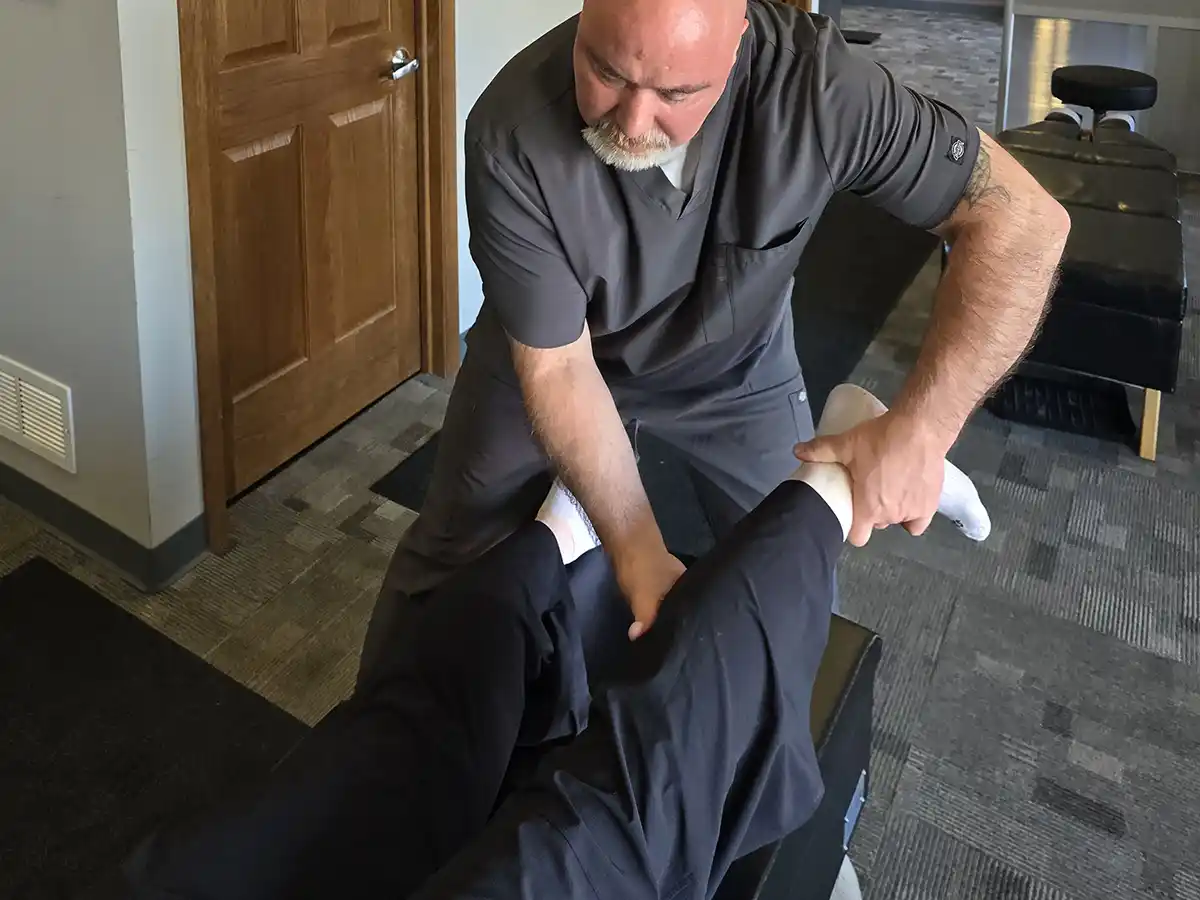
May 19, 2026
St. Paul Chiropractic Care for Leg and Knee Pain Relief Chiropractic care offers you a non-invasive, drug-free method to relieving leg pain, particularly when caused by underlying spinal misalignments, sciatica, or nerve compression People suffering from back-related leg pain Chiropractic care is...
Read Chiropractic AdviceWe’re honored by the trust our patients place in us and grateful for every opportunity to participate in their healing journeys. If you’re seeking comprehensive care that addresses the real reasons your symptoms persist, we’d be privileged to help you discover what’s possible when the right combination of advanced treatments addresses your body’s specific needs.
Request Appointment